

Preparing for knee surgery starts well before you enter the operating room. What you do in the lead-up has a direct impact on how smoothly, and how successfully, you can restore your full range of motion.
Pre-operative rehab (prehab) isn’t about doing more. It’s about doing the right things to set your knee up for movement after surgery. And when it comes to outcomes, one goal stands above the rest: Restoring your ability to bend and straighten your knee.
Why Rehab Matters
We hear it consistently from surgeons: your outcome is defined by what you do after surgery, not the surgery itself.
After surgery, your knee is dealing with swelling, healing tissue, and the formation of scar tissue. Left unmanaged, this can quickly limit how much movement you regain. Prehab is designed to get ahead of that.
The focus is simple:
- Improve your range of motion
- Build consistency with movement
What’s often misunderstood is the role of strength here:
- Strength isn’t the priority pre-op. Movement is.
- If you can go into surgery with better flexibility and control, you give yourself a much better starting point for recovery.
The Key Movements To Focus On
You don’t need a long list of exercises. You need a small number done well and done consistently.
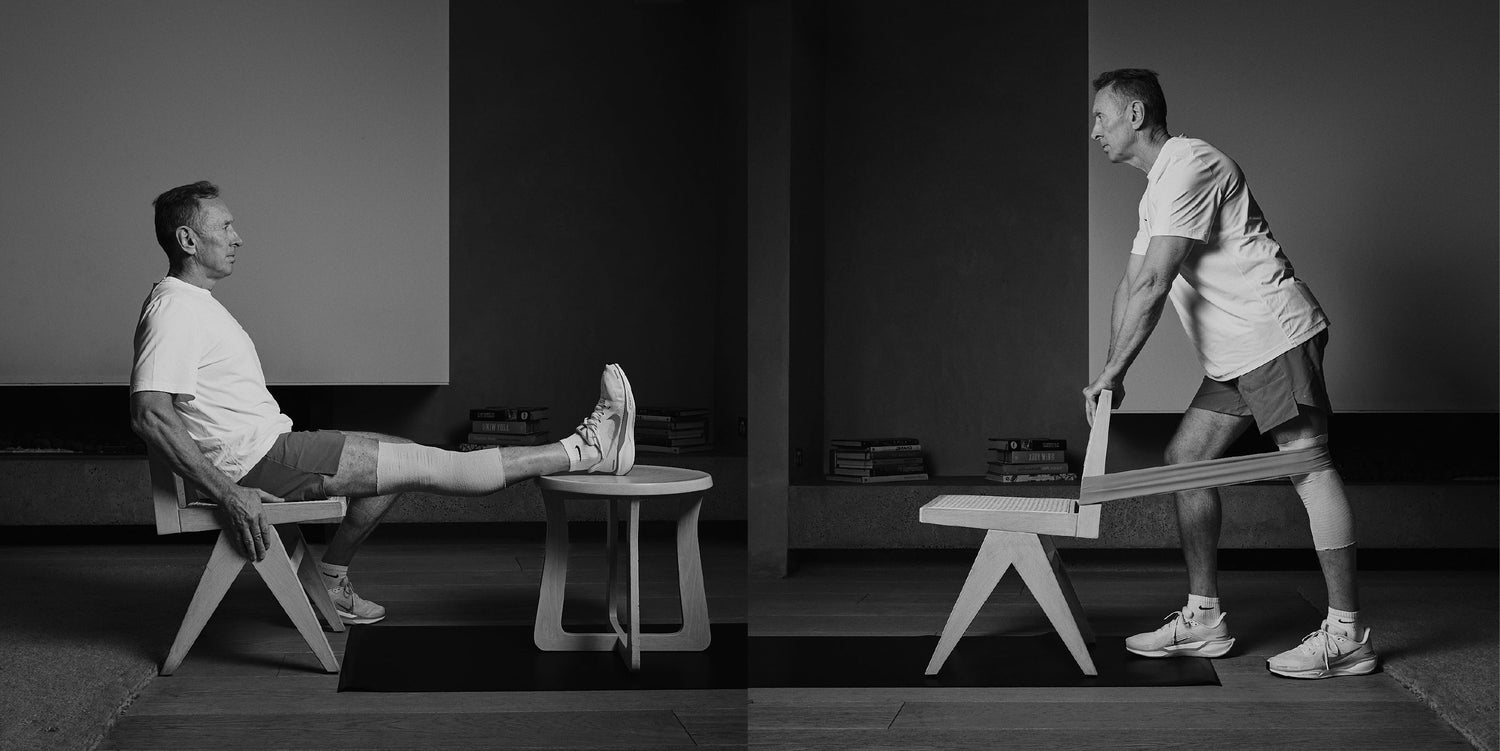
1. Hamstring Stretch
Tight hamstrings will limit your ability to bend extend /straighten your knee. Improving flexibility here gives you more room to regain movement post-op.

How to do it:
- Sit on a chair with your heel on a stool or another surface
- Gently contract your thigh to straighten your knee
- Keep your posture upright
- You should feel a stretch through the back of your thigh and into the calf
- Hold for 10–15 seconds, repeat twice
Tip: If this feels too intense, start with your foot on the floor and build up gradually.
2. Standing Resisted Knee Lock
Regaining full knee straightening is just as important as bending. This exercise builds control into that movement.

How to do it:
- Stand holding onto a chair for balance
- Step one foot slightly behind you
- Place a resistance band behind your knee and anchor it forward
- Gently push your knee back into full extension against the band
- Return to the start and repeat
This reinforces proper knee mechanics and prepares you for walking and weight-bearing after surgery.
What You Don’t Need To Do
It’s common to think you should aggressively work on bending your knee before surgery. You don’t need to. The main limitation to bending after surgery is scar tissue, and that hasn’t formed yet.
Instead, focus on:
- Maintaining flexibility (especially through the hamstrings)
- Practicing controlled, repeatable movement
Staying within a comfortable level of discomfort. You’re not going to “wear out” your knee by staying active. In fact, the opposite is true, controlled movement helps.
How To Structure It
The biggest driver of progress here isn’t intensity. It’s consistency.
A simple approach:
- Do your exercises daily
- Prioritise control and quality over speed
- Avoid pushing into sharp pain
Building this routine now makes the transition into post-op rehab significantly easier, because the habits are already there.
Set Yourself Up Outside Of Exercise
Recovery doesn’t start when you get home. It starts with how well you prepare for that moment.
Before surgery:
- Organise support for the first few days (daily regular tasks can be hard at first)
- Set up a space that’s easy to move around in (avoid stairs)
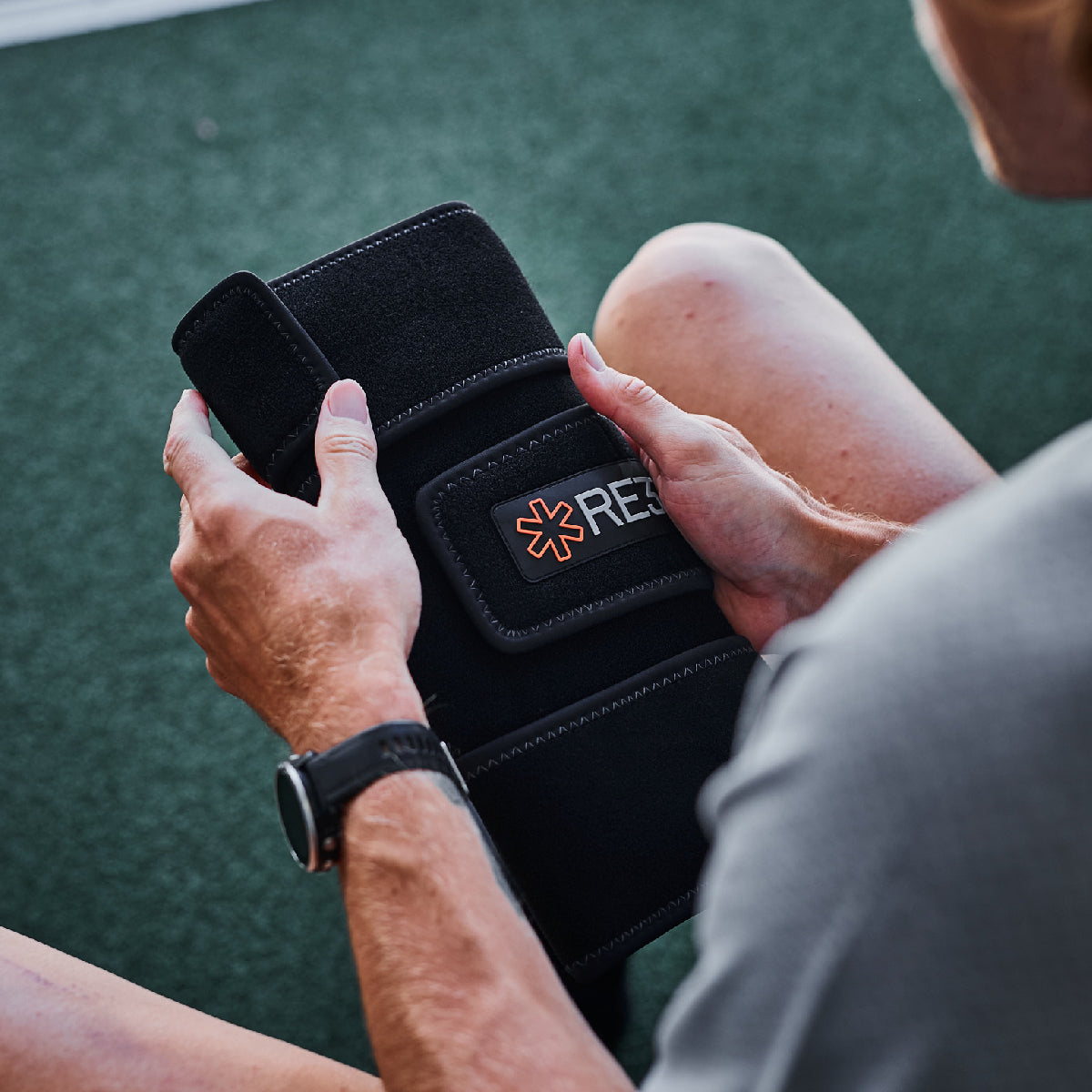
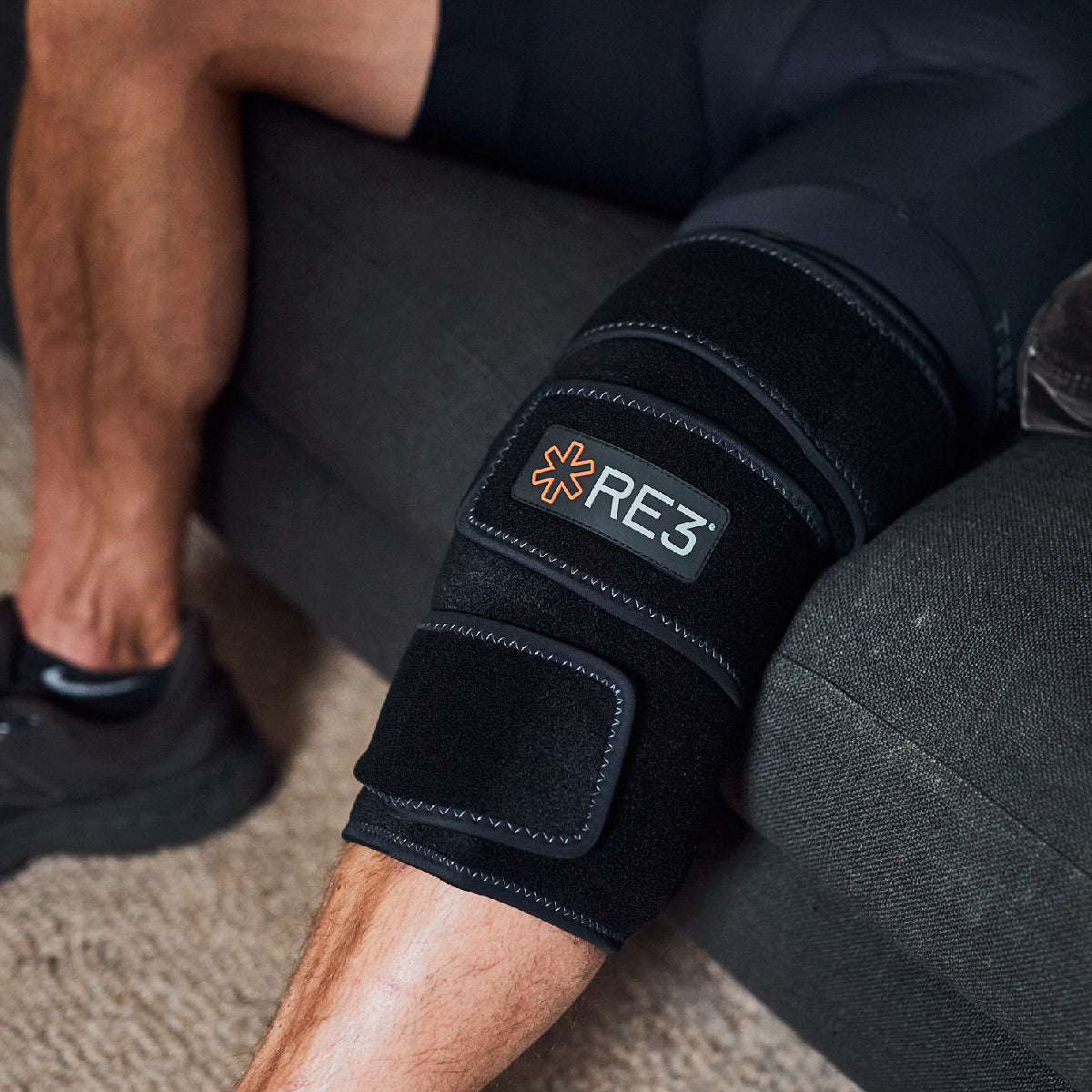
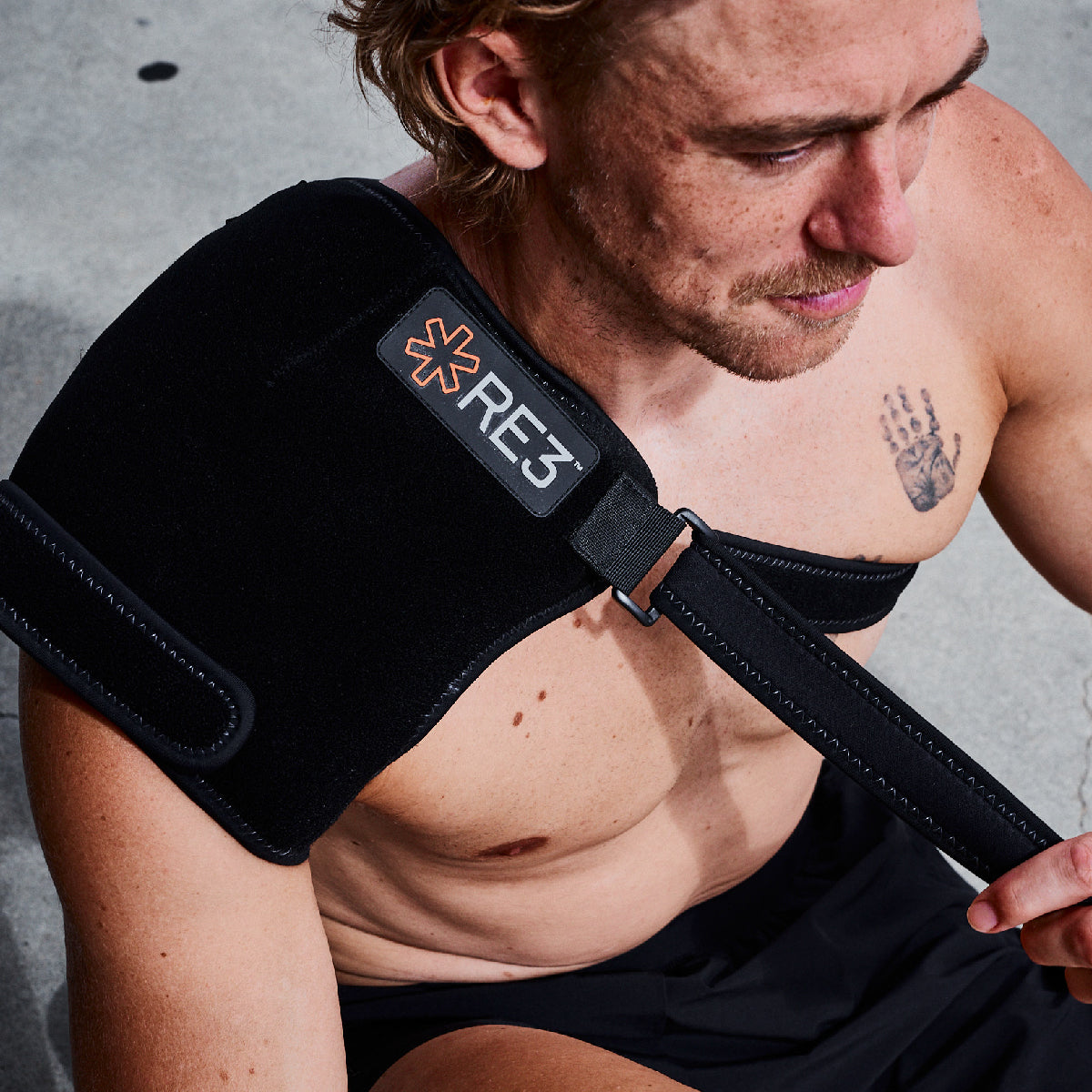
- Have any recommended equipment ready (like your RE3, Crutches etc recommended by your rehab team)
The less you have to think about logistics, the more you can focus on full recovery.
Should I Use Cryotherapy Pre-Op?
Yes, we recommend it.
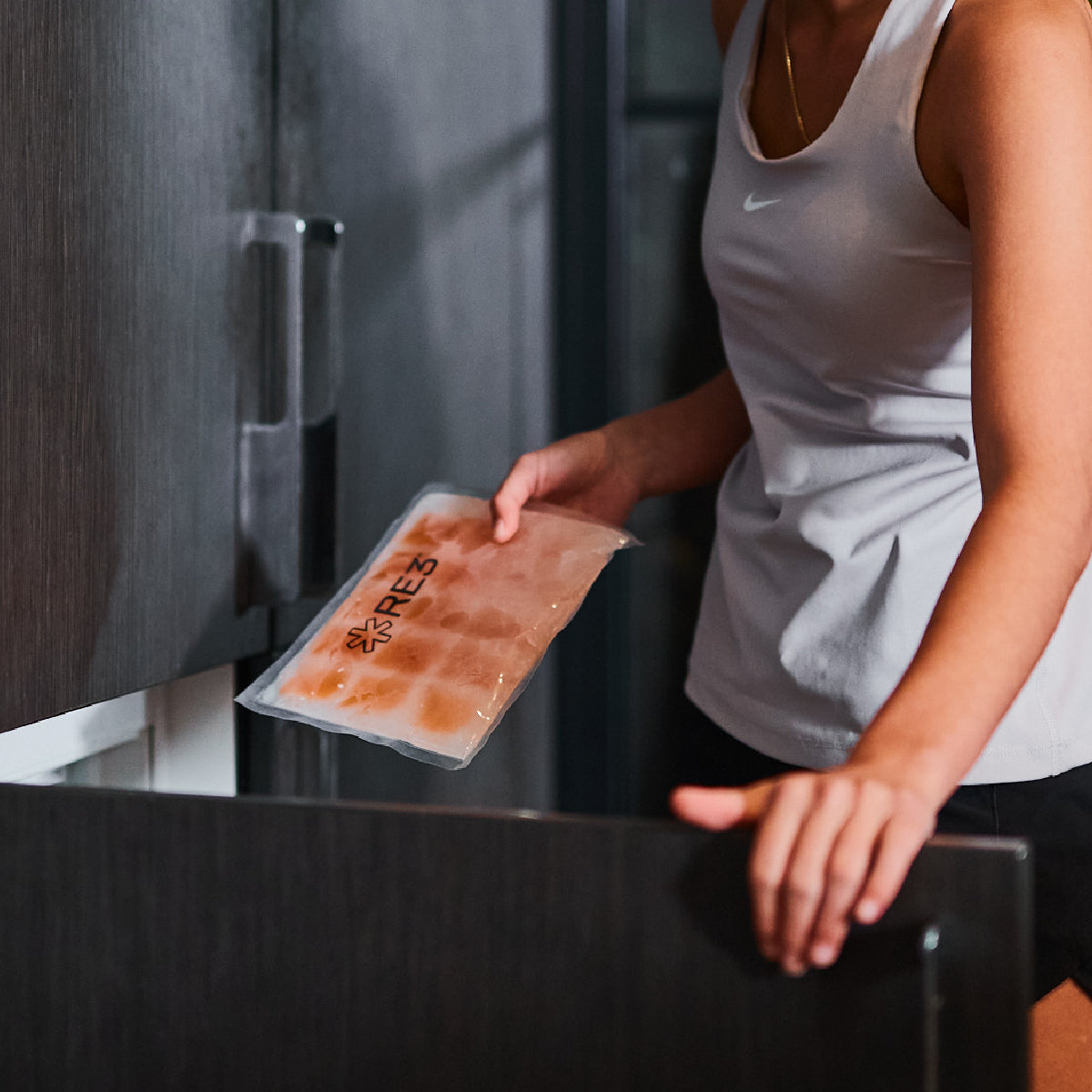
Using cryotherapy before surgery helps reduce swelling and keeps your knee in a better state to move.
What Are The Benefits Of Cryotherapy Pre-Op?
It’s simple:
Reduces swelling faster → better movement → better ability to bend your knee.
When your knee isn’t fighting inflammation, it’s easier to stay consistent with your prehab exercises — and that’s what sets you up for a smoother recovery.
When Should I Apply It?
The best time is after your exercises.
That’s when your knee is most likely to flare up, and where cryotherapy can help settle things back down quickly.
One of the advantages of using RE3 is portability, you can take it with you to rehab sessions and still have effective cooling ready when you finish. Just make sure to store it in your travel bag, this extends cooling time.
The Bottom Line
Prehab is one of the few things you can control going into surgery, and it makes a difference. Focus on movement over strength, flexibility and control and consistency over intensity. Do that well, and you give yourself the best possible chance of regaining strong, functional knee movement after surgery. If you’re unsure where to start, ask your rehab team. If you need references, we have a great community we can refer you to.
Disclaimer
This guide is based on rehabilitation protocols developed by JointMotion and is intended as general advice only. It does not replace individual medical guidance.
For best results, we recommend working closely with your surgeon and rehabilitation team to follow a program tailored to your specific needs.
If you’re undergoing surgery in Perth, WA, Wil and the team at JointMotion are a highly regarded option for post-operative rehabilitation.
