

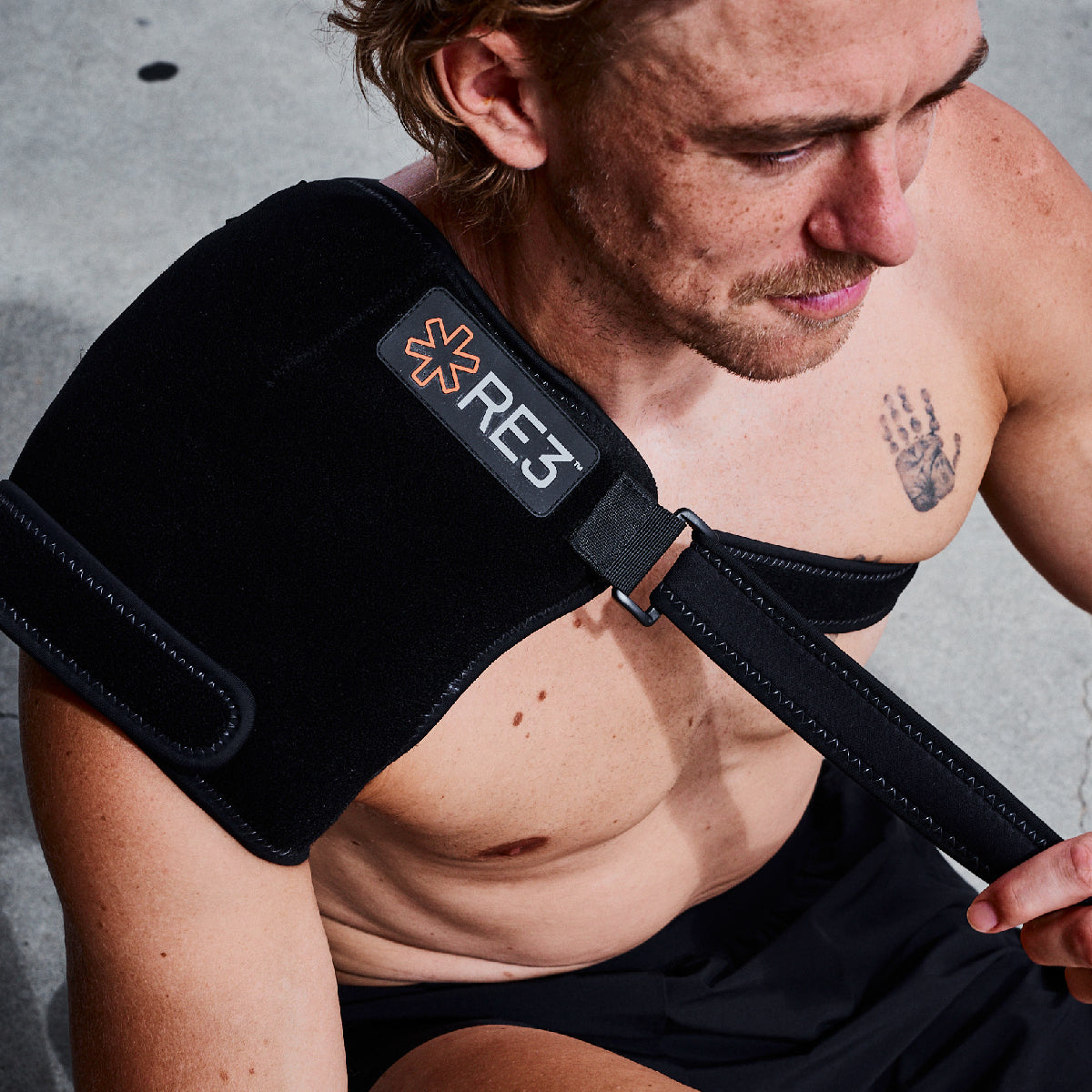
Ryder is 16 and plays football. After a knee dislocation, his knee measured 3.5cm larger from swelling. His mum, Anna, shares how they managed the first weeks of recovery.
What happened to Ryder's knee?
Ryder dislocated his knee playing football. The injury caused fractures to his patella and femoral condyle, and a partially torn medial patellofemoral ligament (MPFL). Swelling was significant: his knee was 3.5cm larger than normal.
Knee swelling after a dislocation is common, and it can limit how well you can bend, strengthen and move the joint. Managing it is a key part of early rehab.
Managing knee swelling during rehab
Ryder started physio and received his RE3 Knee Ice Compression Pack the same week. Anna says he had been using regular ice packs without noticing a difference in the swelling.
After one week of consistent use, Anna reports his swelling had reduced by 2cm. She puts the change down to the RE3, although every injury and recovery is different.
"Ryder thinks it's amazing, he can ice and move around at the same time." - Anna, Ryder's mum
Pain before and after
- Before using RE3: 7-8 out of 10
- After using RE3: 2-3 out of 10
Anna says Ryder was also able to do his rehab exercises much more comfortably.
Why ice and compression together?
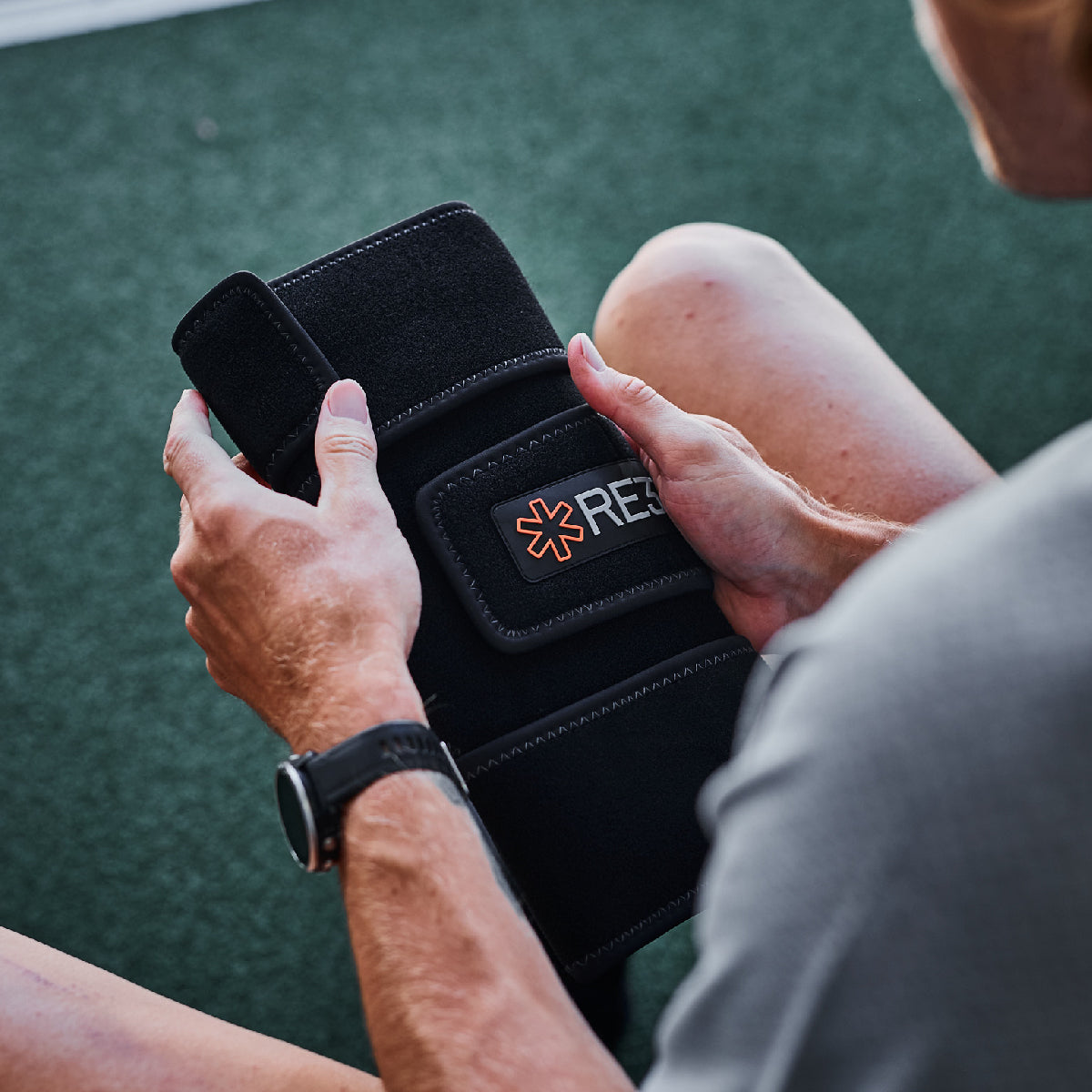
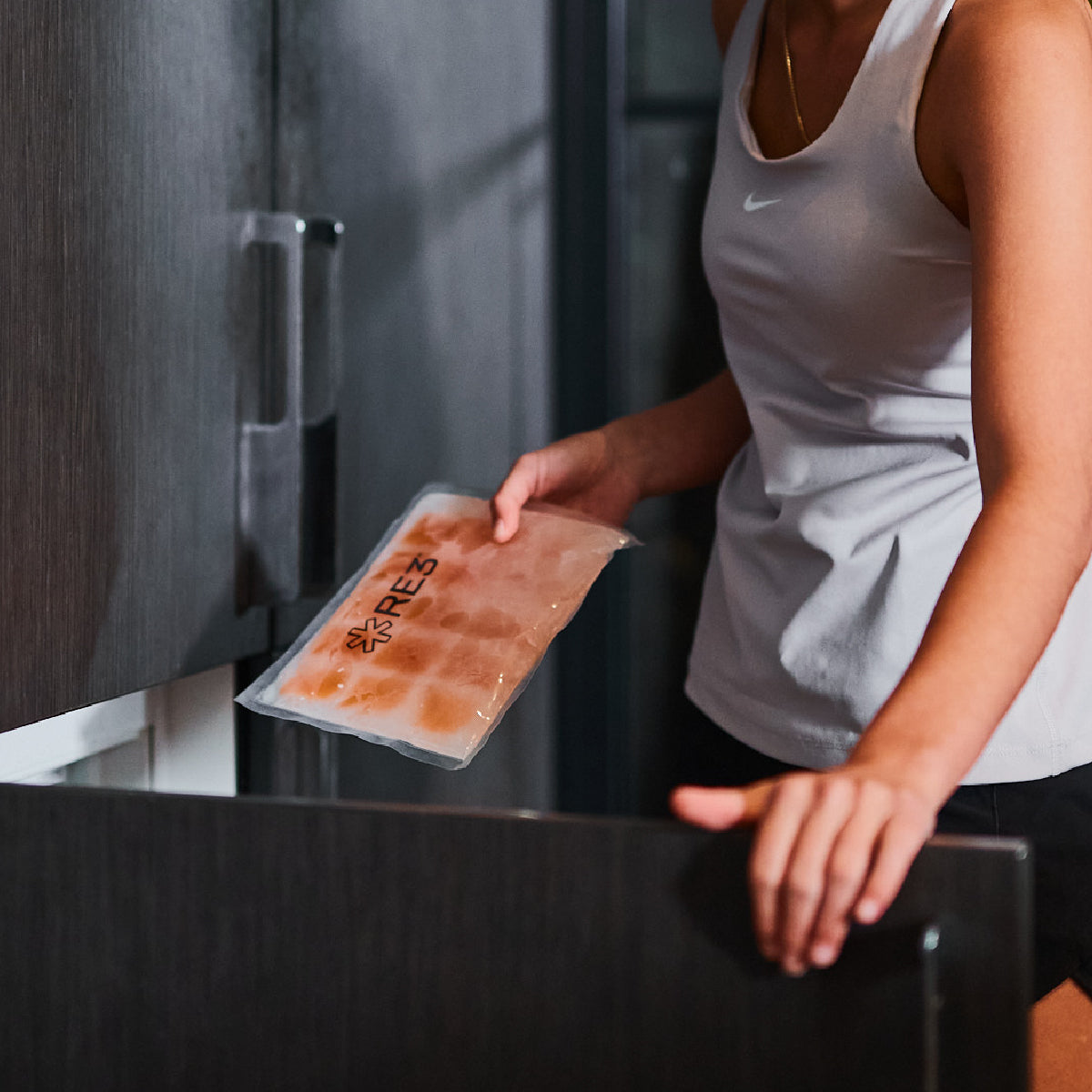
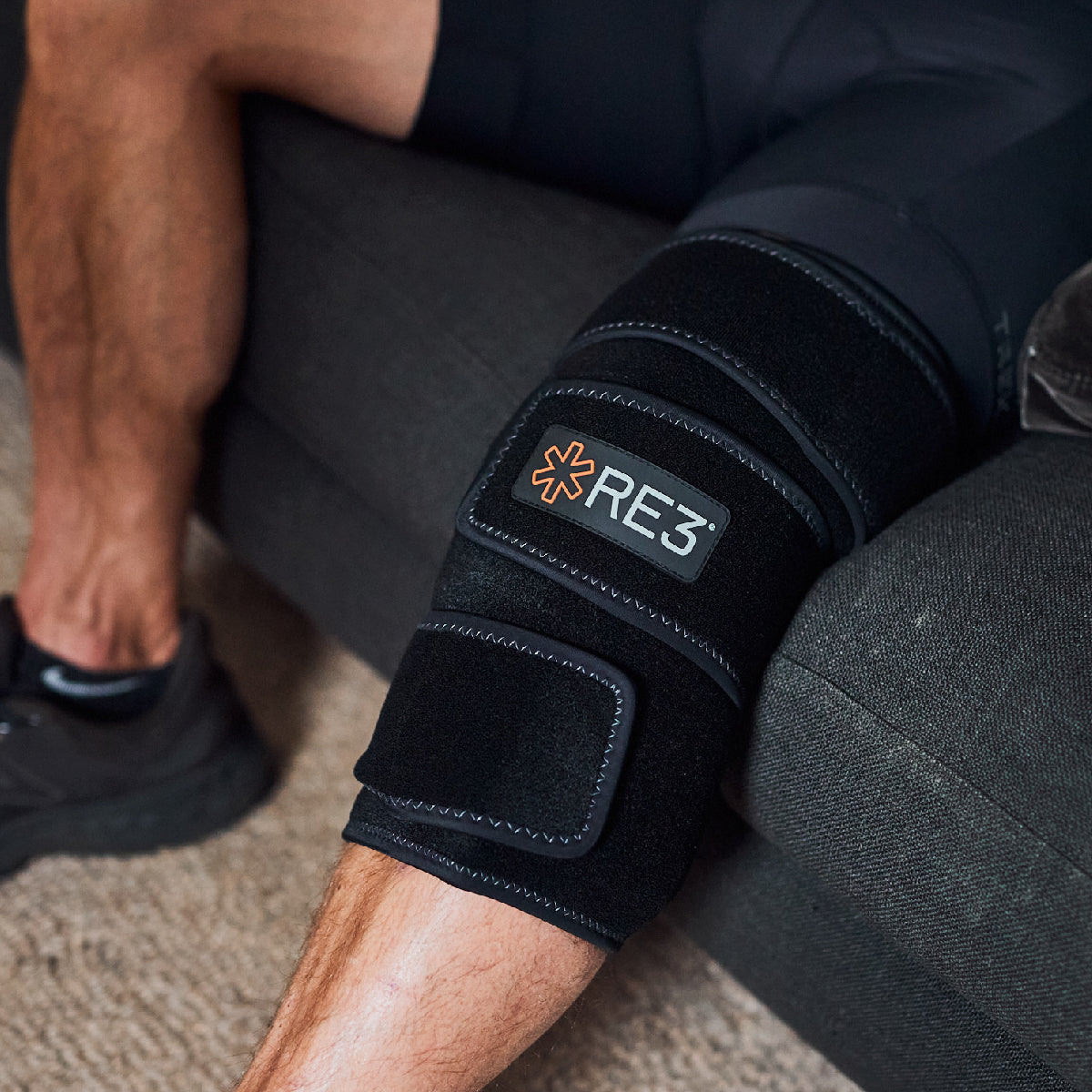
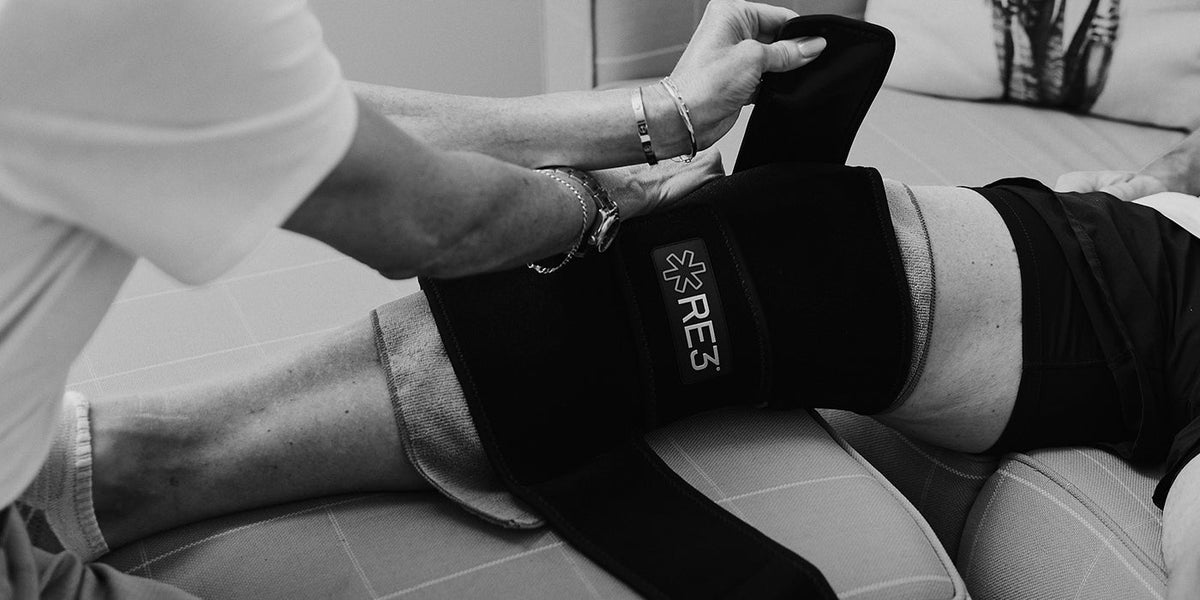
You may have heard of the RICE principle for managing swelling: Rest, Ice, Compression and Elevation. Our Knee Ice Compression Pack covers two of those four in one step. Cold therapy comes from the ICECORE™ blanket, and compression comes from a snug neoprene brace with adjustable Velcro straps, so you can ice without holding a pack in place. Each pack includes two ICECORE blankets, so a frozen one is always ready to swap in.
For the other two, rest your knee as your physio advises, and keep your leg elevated while you ice. Together they give you the full RICE routine without the soggy towel.
Staying moving while you ice
For a teenager in rehab, sitting still with a bag of ice is hard. Anna says the brace let Ryder keep moving while he iced, rather than staying on the couch.
Ryder's advice
"It is a fabulous product and one that I will continue to use everyday on my rehab journey. Hopefully I won’t need reconstructive surgery on my knee because I was able to get my swelling under control and prove that rehab is going to fix my knee."
Looking after a swollen knee: general tips
- Follow your doctor or physio's advice on icing times and rest.
- Keep a barrier, such as a towel or cloth, between ice and bare skin.
- Seek medical help if swelling worsens or frostbite occurs.
Shop the RE3 Knee Ice Compression Pack
This is one family's experience. Individual results vary. This article is general information only and is not medical advice. Always follow the advice of your doctor or health professional.
